
Research solutions
Six solutions, in detail.
Each solution below can stand alone or combine with the others. Jump to the one you need, or call us and we will help you choose.
Solution 01
Pointwave Intelligence
An analytical understanding of consumers, customers, brands, markets and shoppers, and how they connect with each other.

Consumer analytics
Who your consumers are, how they make decisions, how they connect with brands, communications and innovations, and how they shop.
Customer experience (CX)
What happens when customers, service users or employees interact with your product or service, and which experiences matter most to them.
Brand intelligence
Brand perceptions, imagery, performance and behaviour: awareness, familiarity, relevance, usage, loyalty, salience and value proposition.
Innovation
Consumer response to prototypes, concepts, packs, names and products, and whether an innovation meets real needs and motivations.
Market intelligence
Market dynamics, sizes and trends, segments, competitor activity and the feasibility of entering or growing in African markets.
Retail and shopper intelligence
Where, what, when and for whom people buy; the shopper journey from pantry to store; and how placement, visibility, pricing and promotion perform in channel.
Solution 02
Audience Research
Measure and understand your audience without duplication, and evaluate how campaigns land.
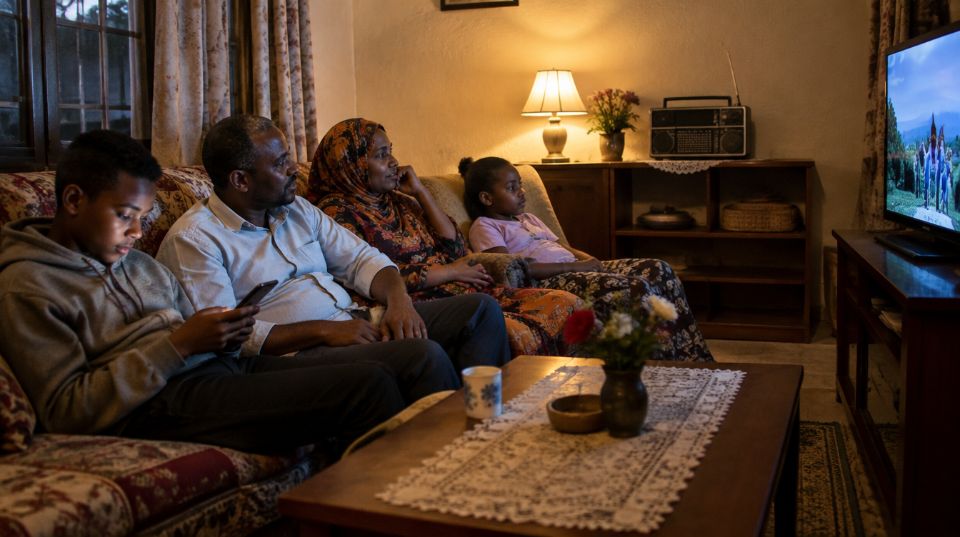
Audience measurement
TV viewing, radio listenership, out-of-home, digital and print: which channels people use, on which platforms and where.
Campaign evaluation
Unlaunched, newly launched and long-running campaigns, across single or multiple touchpoints, assessed on reactions and habits as well as attributes.
Using the findings
Content and creative development, tracking campaign effectiveness, and media planning guided by audience, brand and market insight.
Solution 03
Design Thinking
Human-centred problem solving that starts with the people who face the problem and ends with a tested, workable solution.

Begin with the human
Understand beliefs, values, motivations, behaviours, pains and gains to uncover unmet needs and frame the right problem.
Involve stakeholders
Users, client teams and partners co-create and give feedback throughout, so solutions are desirable, feasible and viable.
Learn as you do
Generate a broad range of ideas, prototype early, test and refine. Move from creating choices to making choices.
Where it applies
Products and services, programmes, digital experiences, education, health systems and community initiatives.
Solution 04
Rent a Researcher
Experienced researchers working inside your team, for the time you need them, to make your data usable.

Data to insight
Questionnaire design and scripting, data collection, cleaning, coding, analysis, mining and modelling, and insightful reporting.
Dashboards and visualisation
Streamline data streams into dashboards that track performance for sales, CRM, retail management and more.
Existing and secondary data
Source, combine and analyse the data you already hold so it starts creating value.
Insight activation
Periodic sessions that bring findings to brand, marketing, strategy, PR and creative teams.
Solution 06
Monitoring and Evaluation
Assessment, monitoring and evaluation studies for social enterprises, programmes and projects.
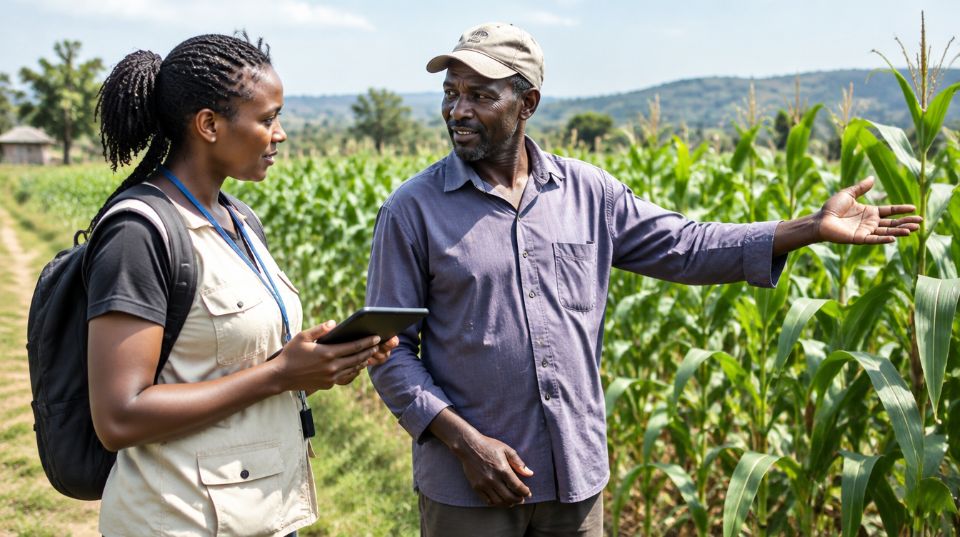
Feasibility studies
The viability of a programme or project and how political, economic, social, technological, environmental and legal factors may affect it.
Baseline research
An information base against which to benchmark, monitor and assess progress and effectiveness.
Formative research
The setting a programme operates in: existing perceptions, risks, threats, opportunities and unexpected considerations.
Outcome and impact assessment
Whether a programme attained its goals, any unintended outcomes, and how people perceive its gains and losses.
Pre-, mid- and post-intervention evaluation
Evaluation before, during and after implementation.
Let's talk about your research challenge.
A short call is the quickest way to scope what you need to understand.
Solution 05
PointwaveSocial
Understanding people in their natural ecosystem: the agents of socialisation, and the intrinsic and extrinsic factors behind behaviour, aspirations and needs.
Who we study
Children, adolescents and youth, women, men, persons with special needs, rural and informal-settlement communities, and hard-to-reach groups.
Themes
Economic empowerment, public participation, sexual and reproductive health, violence against women, HIV and STIs, water and sanitation, health, education, transport, substance abuse and rural development.
How we work
Qualitative understanding quantified through survey work, and solutions co-created with the people they are meant for. Our researchers have backgrounds in social and behavioural studies.